How do jet aeration systems achieve significant energy savings?
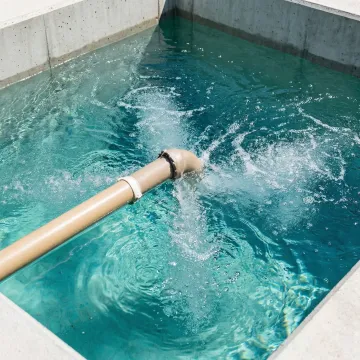
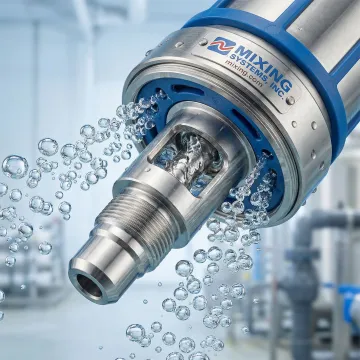
Our double nozzle design creates multiple oxygen transfer zones—high-shear micro-bubble generation (0.1-1mm), extended horizontal plume contact at tank bottom, buoyancy bubble rise (1-3mm), and surface agitation. This multi-zone approach delivers superior mass transfer efficiency, allowing lower air flow rates and reduced blower power consumption compared to conventional diffused air systems.
What maintenance is required for jet aeration systems?
Jet aeration systems are virtually maintenance-free. All mechanical assemblies (pumps, blowers, piping) are positioned outside the tank for easy access and service. There are no in-basin moving parts to maintain. Optional pneumatic backflush systems prevent clogging. Routine maintenance involves standard pump and blower servicing—no basin draining or diver inspections required.
Can jet aerators handle high-solids wastewater applications?
Yes, our jet aeration systems excel in high-solids applications including activated sludge, aerobic digestion, and industrial wastewater treatment. The high-velocity jets provide thorough mixing and solids suspension. Systems can handle solid particles up to 2.2 inches (55mm) diameter, though particles must be smaller than nozzle diameter to prevent plugging.
What tank sizes and configurations work with jet aerators?
Jet aerators are highly adaptable. Eddy Mix configurations suit circular tanks up to 65 feet diameter. Directional Mix systems work in round tanks, rectangular basins, oxidation ditches, and lagoons. For larger installations, multiple aerators can be combined with common headers. We custom-design systems for tanks from small aeration configurations to large municipal basins exceeding millions of gallons.
How deep can jet aeration systems operate effectively?
Jet aerators perform exceptionally well in deep tanks. The submerged design and high-pressure nozzle injection create extended horizontal plumes that maintain gas/liquid interface longer than conventional systems. Deep tank operation actually enhances oxygen transfer efficiency due to increased contact time and hydrostatic pressure benefits.
Are jet aeration systems easier to install than diffused air systems?
Yes, jet aerators are typically easier and less expensive to install. Systems arrive in prefabricated sections for simple assembly. All equipment (pumps, blowers, piping) installs outside the tank—no complex basin bottom manifolds or diffuser grids required. This reduces installation time, lowers labor costs, and simplifies future modifications or expansions.
What industries use jet aeration systems?
Our systems serve diverse industries including municipal wastewater treatment, pulp and paper mills, chemical and petrochemical plants, pharmaceutical manufacturing, food and beverage processing, textile facilities, and corn processing operations. Applications range from high-rate activated sludge to aerobic digestion, chemical oxidation, and recarbonation processes.
Do jet aerators cause misting or icing problems?
No. Unlike surface aerators, all aeration and mixing occurs below the water surface, completely eliminating mist and spray. This prevents aerosol concerns and eliminates icing problems in cold climates. The submerged operation also prevents thermal stratification, ensuring consistent treatment performance year-round regardless of ambient temperature.